Wednesday, 3 October 2018

Cricket meatballs

A while back Martin and I bought a bag of cricket flour: farmed crickets that have been freeze-dried and ground to powder.  We were keen to try cooking with crickets as they have lower carbon emissions than most other meat.*  However, we rapidly ran into problems.  There are zillions of recipes for using cricket powder to boost the protein content of snack foods, but very very few for using it to make actual meals.
* I wasn't able to find data on their emissions as such; however crickets have negligible direct emissions and eat the same food as chickens (which also have negligible direct emissions).  Crickets have a feed conversion rate of 1.7 (for chickens it's around 3.3) and crickets are 16% protein (source).  Crunching those numbers with our existing carbon emissions number for chicken (3.9kg CO2e /kg), and noting that my cricket powder is 60% protein, I estimate carbon emissions of 7.5kg CO2e/kg cricket powder.  Which sounds worse than the chicken until you remember that chicken is 25-30% protein (with most of the rest being water) while the cricket powder is double that.  So the emissions per gram of protein are about the same as chicken, but much better than any red meat.
We did find one that we liked (shitaake mushroom and cricket meatballs), which we did with both an Italian-style and a sweet and sour sauce. That inspired us to try our own meatball recipe.  We've done it a few times now and really like it :-)


Happy Birthday to me :-)

It was my birthday on Saturday.  We were staying at my parents' place and I had a few friends over for afternoon tea.

Sarah and Anna

Temi in her fabulous dress

Saturday, 22 September 2018

Things I'm enjoying looking at :-)

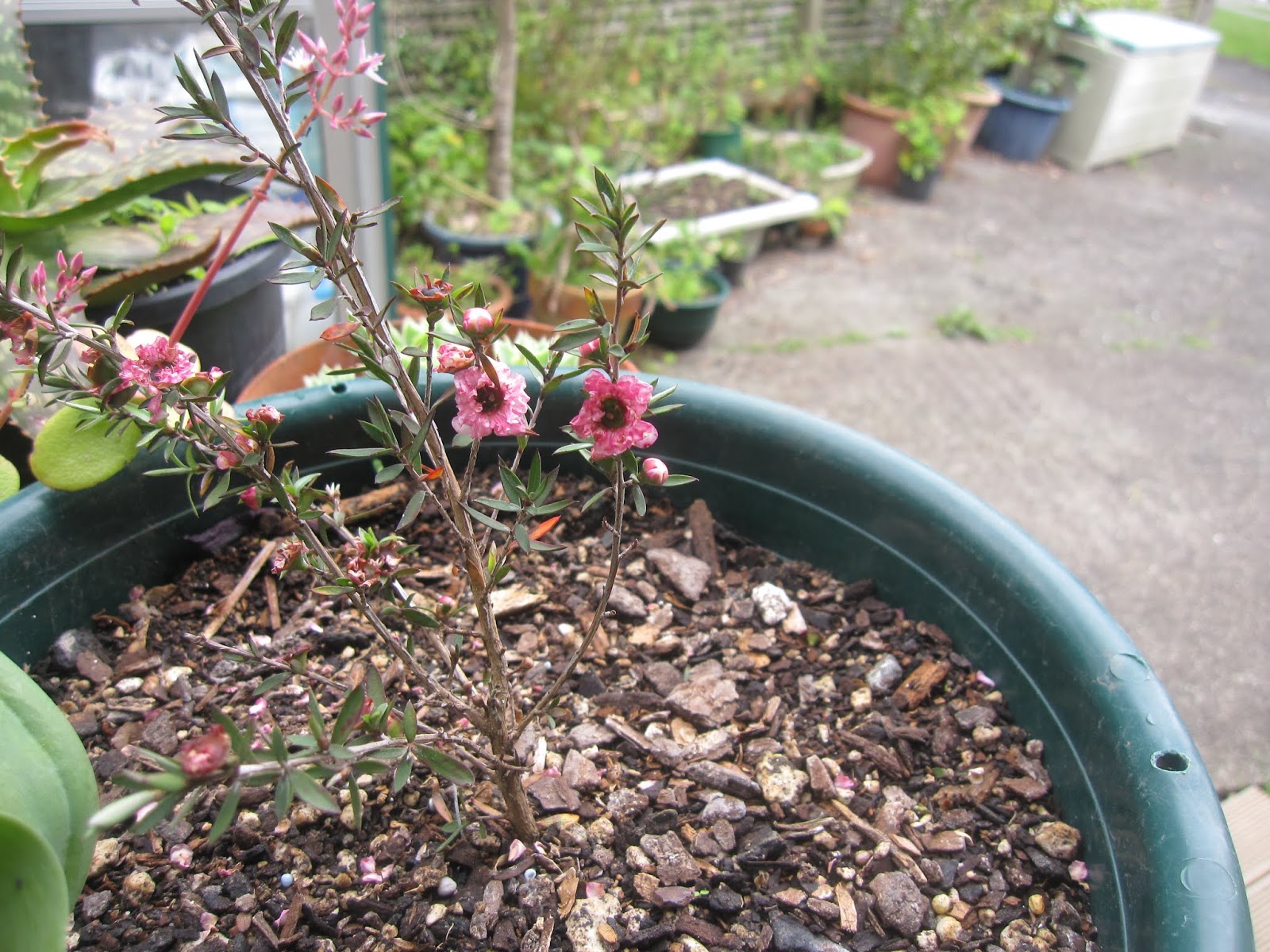
We have a wee raised area on the corner of the wheelchair ramp where I keep pots.  I'm particularly enjoying some of them right now.

A 'coral' manuka that I'm keeping in a pot until it's big enough for the flower garden.

Friday, 14 September 2018

Buying fish for human rights: pet food

This post has been moved to the Just Kai website.  Further updates will be posted there.


This is the third post of a series on buying fish for human rights.  The other posts completed so far cover salmon and tinned tuna, sardines and mackerel.

Last year I blogged about how Martin and I try to shop in ways that support human rights.  We do that by:
  1. Preferentially buying things produced in low income countries;
  2. Buying things produced under the best labour conditions available;
  3. Trying not to buy things produced by child or forced labour.
The reasons behind these principles are explained in more detail here.

When buying fish-containing pet food, following these principles can be particularly challenging.

Firstly, you may not even realise the pet food you are buying contains fish.  Some cat and dog foods mention fish in the product name, but fish is an ingredient in many cat and dog foods that don't.  Regardless of the product name, the vast majority of fish food contains seafood of some kind, as does all turtle food and some food for other reptiles.  The only category that seems never to do so is small animal food.  If the product name mentions fish or other seafood, you can be confident it's there; if it doesn't, you can't be confident it's not unless you read the ingredients list.

Secondly, unlike human food, pet food often contains highly processed fish products like fish meal and fish oil.  Without careful checking by the company you cannot be confident such products are free of human rights abuses: there are many steps between the sea and the final product and most of these steps are known to use child and/or forced labour some of the time.  In addition, when named fish are used in pet food the most common choices are deep sea species such as tuna, mackerel and ocean whitefish: these are at very high risk for human rights abuses as boats are often out at sea for months or even years at a time and those on board can't escape if things go bad.

Working around all that may sound terribly complicated, but I have good news!  Several companies are working very hard to root human rights abuses out of their supply chains.  If you restrict your purchases to brands in the following chart you can be reasonably confident you're not supporting child or slave labour; and if you preferentially buy those brands circled in red you'll help provide good employment to people in low income countries.
https://drive.google.com/open?id=1o-LjrNFWOrPwH7dkQIMZ_fYDMvtnkBhs
Click to download as a pdf to take with you as you shop :-)
Read on to learn why I came to these conclusions.

Monday, 10 September 2018

A lovely weekend :-)

Martin and I took the weekend 'off' this weekend to just hang out with each other with no 'have tos'.  It was lovely, although I'm pretty knackered this morning!

We had lots of yummy food to nibble on through the weekend.  Martin bought French cheeses, salami, macarons, canelés and tarts from Pyrénées, the French deli in Mt. Albert, and I made a Zopf.  I'm still so happy that we bought a beater with a dough hook some years ago - it's lovely to be able to make bread without my weakness getting in the way :-)

Zopf - a Swiss bread traditionally eaten for Sunday breakfast.  The name is the German word for a plait.

Monday, 20 August 2018

Love Mercy

A friend asked me to record a short video on what 'love mercy' means in my own life for her to use in a sermon on Micah 6:8:

He has told you, O mortal, what is good;
and what does the Lord require of you
but to do justice, and to love kindness,
and to walk humbly with your God?

The sermon has unfortunately needed to be postponed, but I thought I'd share what I came up with here:


Friday, 17 August 2018

An Amish puzzle ball

I've had fun making an Amish 'puzzle ball' for some neighbours who've recently had a baby.